Innovation No. 24 of 77 in the book
Flood Forecasting
Nilometers measured water levels to predict harvests
- When
- c. 2000 BCE
- Dynasty
- 11th Dynasty
- Era
- Middle Kingdom
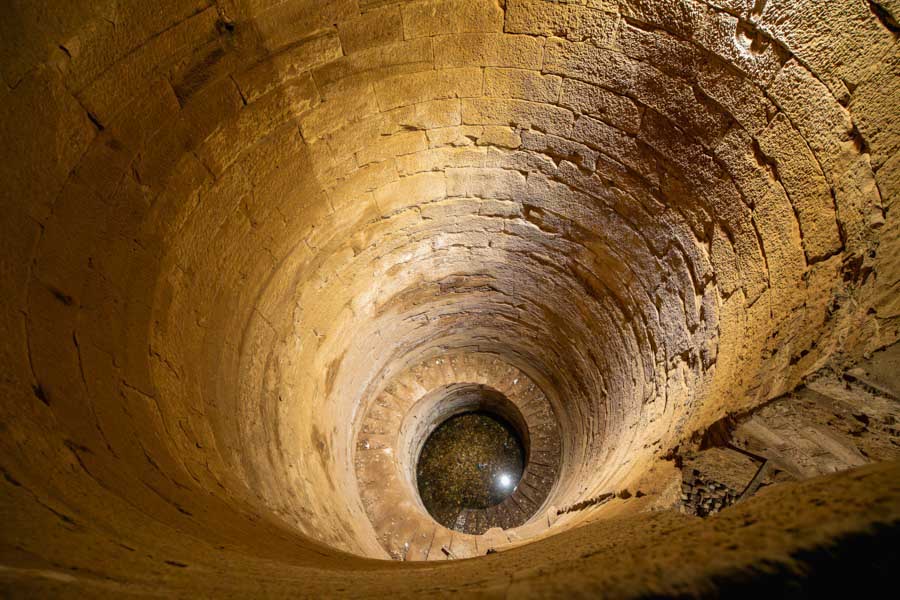
Egypt’s whole economy rode on one number: how high the Nile would flood. To read it, they built the nilometer — a calibrated staircase or well that measured the river’s rise. They were in use by around 2000 BCE.
Priests watched the water climb the marked steps and forecast the harvest months ahead. A good flood meant plenty; the reading even set that year’s taxes.
It is arguably the first instrument built to predict a nation’s economic future from data.
The world’s first forecasting gauge measured a river.
The oldest physical example is cut into the cliffs of Elephantine Island at Aswan, where a rock-hewn staircase descends to the river. The measuring scales on its walls are late additions, but the practice they served is not: royal scribes recorded annual flood heights from the First Dynasty onward, and those records survive on the Palermo Stone, a Fifth Dynasty slab.
Frequently Asked Questions
What did the readings actually mean?
They were graded in cubits, and each grade had a consequence. Twelve cubits meant famine ahead. Fourteen promised a fair harvest, sixteen national abundance, and anything above eighteen warned of destructive flooding.
How did the reading reach the rest of the country?
By runner. As soon as the peak was recorded at Aswan, messengers carried the number north, and scribes set that year's tax expectations against it before the water had even arrived.