Innovation No. 13 of 77 in the book
The Calendar
A 365-day year created by observing the Nile’s flood cycle
- When
- c. 3000 BCE
- Dynasty
- 1st Dynasty
- Era
- Early Dynastic Period
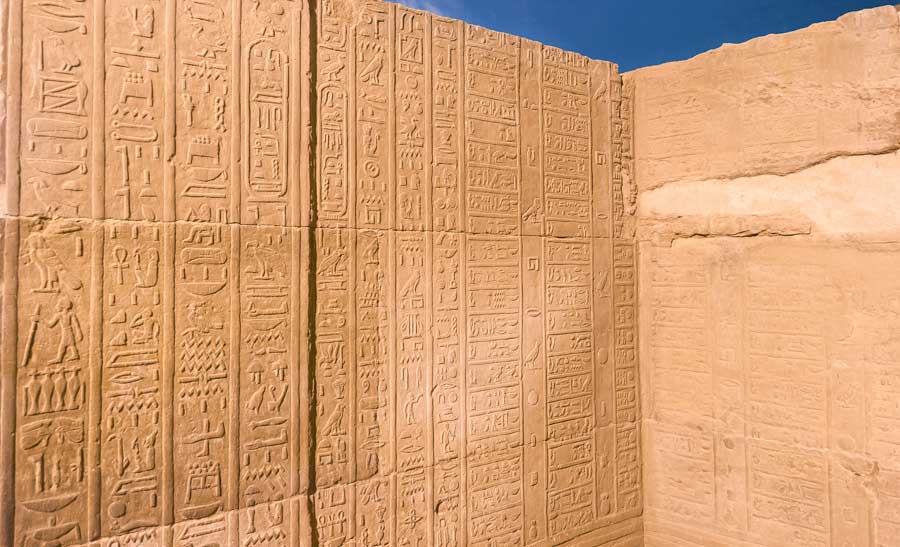
The 365-day year you live by was worked out on the Nile by around 3000 BCE, at the dawn of the dynasties.
Egyptians tied it to the sky: the year began when the star Sirius rose at dawn just before the Nile’s annual flood. Twelve months of 30 days, plus five extra days, made 365.
It was so clean and predictable that Julius Caesar borrowed it in 46 BCE to fix Rome’s broken calendar — giving us the one we still use.
The shape of your year was set beside a flooding river five thousand years ago.
The earliest sign of it is an Early Dynastic ivory tablet from the reign of King Djer, around 3000 BCE, where Sothis — the star Sirius — is written beside renpet, the sign for year. By the Middle Kingdom the 365-day civil calendar was fully institutional, painted onto astronomical ceilings in royal tombs such as Senenmut's, around 1473 BCE.
Frequently Asked Questions
What made this calendar different from its neighbours?
Babylon and others tracked the moon, which forced constant manual corrections to stay level with the seasons. Egypt cut the civil calendar loose from the moon entirely and fixed the year at 365 days — the first to do it.
Was the Egyptian year accurate?
Not quite. At 365 days with no leap day it drifted about one day every four years, sliding through a full cycle over roughly 1,460 years. The leap-day correction came later, with Rome.