Innovation No. 34 of 77 in the book
Paper
Papyrus sheets gave rise to the word “paper” used today
- When
- c. 3000 BCE
- Dynasty
- 1st Dynasty
- Era
- Early Dynastic Period
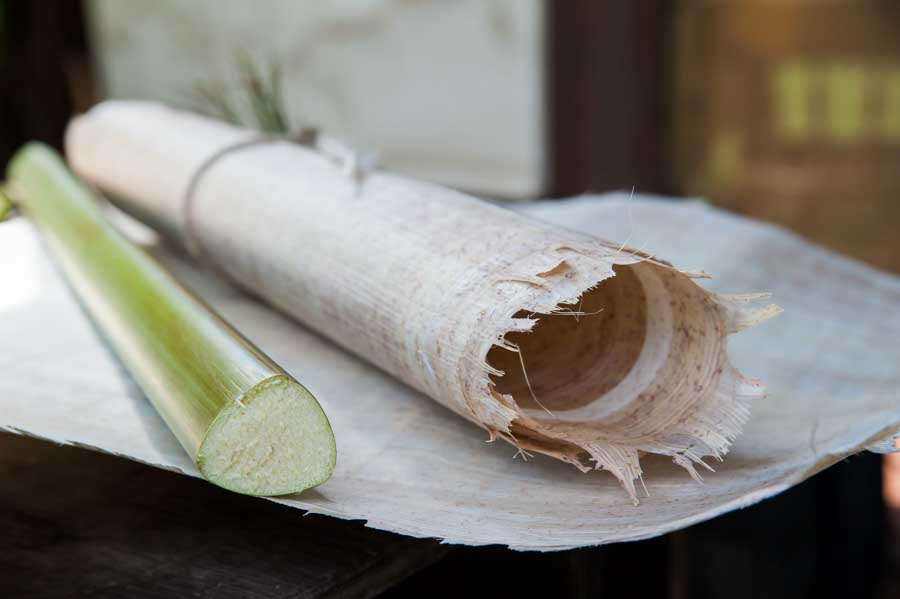
The word ‘paper’ comes straight from papyrus, the writing sheet Egypt was making by around 3000 BCE — and for a long time no one else could make it.
They sliced the papyrus reed into strips, laid them in two crossed layers, and pressed them until the plant’s own sap glued them into a smooth, flexible sheet.
It was light, rollable and durable — some sheets are still readable after 4,000 years — and Egypt exported it across the ancient world as the paper of record.
The surface civilization wrote itself down on was an Egyptian reed.
The oldest blank roll was found in the tomb of Hemaka at Saqqara, around 3000 BCE. The oldest written papyri are Merer's logbooks, around 2560 BCE. For more than 2,500 years after that, papyrus had no competitor: parchment came later from Pergamon, and pulp paper later still in Han Dynasty China. Until then Egypt made the only light, thin, rollable writing surface in the world.
Frequently Asked Questions
What held the sheet together?
The plant itself. Strips were laid in two crossed layers and pressed, and the reed's own sap bonded them as it dried. No glue was added, which is part of why the sheets have lasted.
Were there different qualities of papyrus?
Yes, and Rome graded them formally. The finest was Augusta, after the emperor, then Liviana after his wife, down through Hieratica for religious texts and Amphitheatrica for everyday commercial use.